A place to begin
Do I need therapy?
Notice what is getting harder and decide on a first step.
The Holistic Counselor Podcast Resource Library
Hello there, fearfully and wonderfully made human.
You do not have to figure everything out at once. Bring your questions. Explore what speaks to you. Leave with a little more understanding and a next step you can use.
Find a guideMind. Body. Relationships. Culture. Faith, when you choose.
Follow your questions
Every guide brings together clear teaching, questions to sit with, sources to explore, and ways to find support.
24 guides · Take them at your own pace.
Notice what is getting harder and decide on a first step.
A simple plan for your first conversation about getting help.
Explore change, setbacks, support, and your next small step.
Understand complex trauma symptoms without turning a guide into a diagnosis.
Understand childhood adversity, protective relationships, and hope.
Consider mind, body, relationships, culture, and chosen faith.
Find care that makes room for your identity and experience.
Explore harm connected to religion while making room for your beliefs.
Name painful experiences and consider boundaries and support.
Explore messages about worth, bodies, consent, and shame.
Ask how faith, training, and clinical care come together.
Understand the approach and how it differs from licensed therapy.
Understand therapists, medical providers, coaches, and their training.
Compare care, ask useful questions, and check credentials.
Explore reduced-cost care and practical support options.
Understand the diagnostic manual and ask about your care.
Learn how information and skill-building can support care.
Learn what eye movement desensitization and reprocessing therapy involves and what to ask a clinician.
Explore the connection between thoughts, feelings, and actions.
Understand acceptance, change, emotions, and practical skills.
Meet parts work with curiosity and understand its limits.
Understand person-centered counseling and the role of being heard.
Understand a treatment for obsessive-compulsive disorder and the questions to ask.
Understand body-focused approaches and ask about evidence and consent.
Try “trauma,” “therapy,” “faith,” or “cost.” You can also browse all guides or search the episode archive.
From the page to the conversation
Hear clinicians, guests, and people with lived experience explore these ideas with Diana. Selected episodes appear inside the guides, with a note about why each conversation belongs.
Explore listening guides
The guide that started it
Our original community resource brings together questions to ask a professional, things to look for in care, and connections to the podcast.
Free PDF · 16 pages
Open the community guide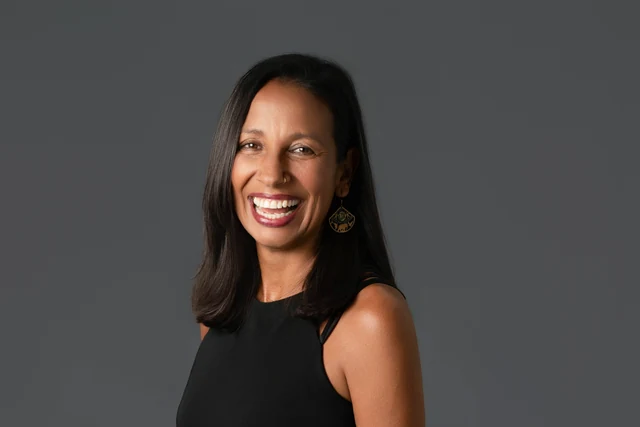
A note from Diana
My hope is that you leave here with better words for what you are experiencing, more thoughtful questions, and a clearer idea of where to turn. Take what is useful. Give yourself time. You do not have to share your private story to learn something about yourself.
Diana S. Rice
Licensed Mental Health Counselor (LMHC)
Certified Integrative Mental Health Professional (CIMHP)
Qualified Supervisor (QS)
Host of The Holistic Counselor Podcast
A few things to know
Each guide links to its sources. We distinguish research findings, professional guidance, lived experience, and faith perspectives. Some treatments have stronger evidence for particular concerns than others. A guest’s appearance is not proof that every claim in an episode is supported by research.
No. The Holistic Counselor Podcast makes room for faith, science, and whole-person care. Faith reflections are optional. You are welcome to use the teaching and questions in a way that respects your own beliefs.
These resources provide general education. They do not diagnose you, provide individual treatment, or create a therapist–client relationship. Use them to prepare for a conversation with a qualified professional. If reflecting brings up too much, pause and seek support.
Please share the guide’s page on The Holistic Counselor Podcast website so others can find the current edition. You may print an unchanged copy for personal learning. Keep the author credit and sources attached. Please do not sell the guides, remove the branding, or present the writing as your own.
Confirm a provider’s license, location eligibility, fees, training, and availability directly. Linked services operate independently and are not endorsements. To flag an outdated link or factual concern, use the contact page. Please do not send private health information.
When a guide is not enough
In the U.S. and its territories, the 988 Suicide & Crisis Lifeline offers support for emotional distress or a suicidal crisis.
If there is immediate danger or a medical emergency in the U.S., call 911. Outside the U.S., use your local emergency or crisis service.
This website and its contact form do not provide crisis care.
Education for adults and the people who support them. Information can change. Read the educational disclaimer.